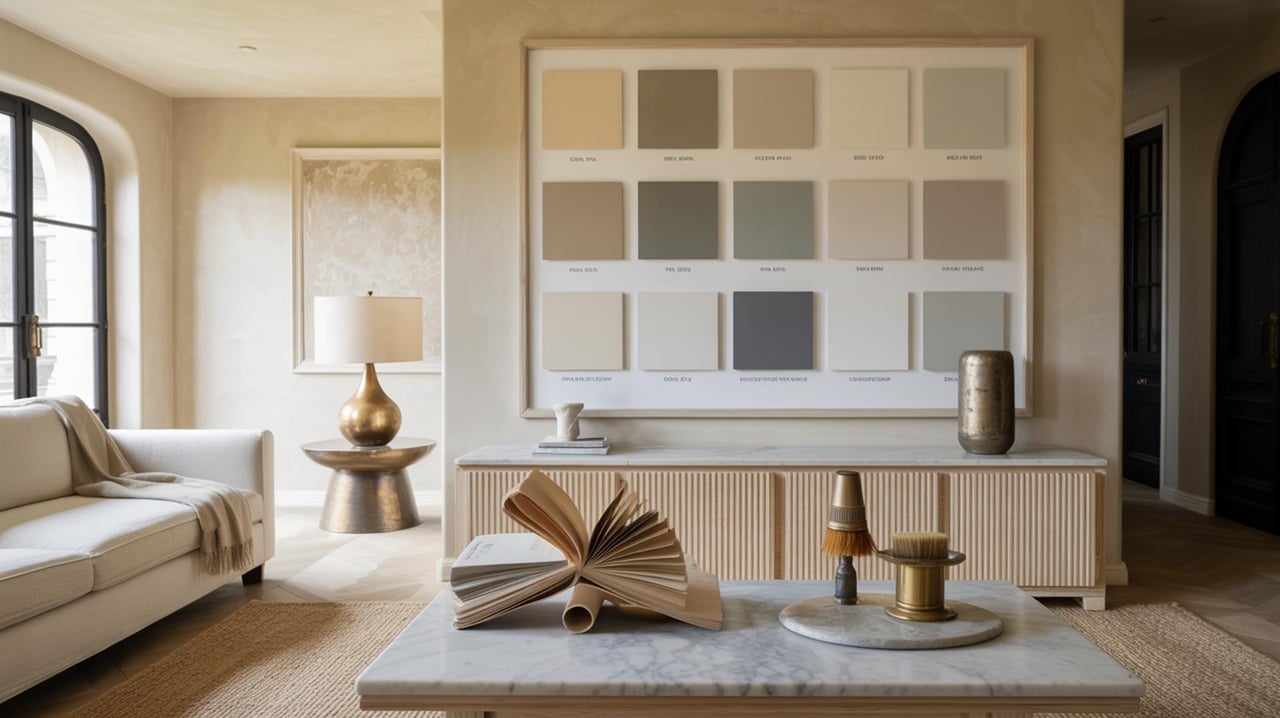
Choosing the perfect paint tones for your home can transform your living space, creating an environment that reflects your personality and enhances your mood. The science of color plays a significant role in this process, influencing how we perceive spaces and how colors interact with each other. Understanding the principles of color science can help guide your decisions, ensuring that your paint choices contribute to a harmonious and visually appealing home.
Understanding Color Theory Basics
Color theory is the foundation of choosing the right paint tones. It involves understanding the color wheel, which is divided into primary, secondary, and tertiary colors. Primary colors—red, blue, and yellow—are the building blocks, while secondary colors are created by mixing primary colors. Tertiary colors result from mixing primary and secondary colors. Complementary colors, which are opposite each other on the color wheel, can create a vibrant look when used together. Analogous colors, which sit next to each other, offer a more harmonious and soothing effect. Understanding these relationships can help you select colors that work well together and achieve the desired ambiance in your home.
The Psychology of Color
Colors have psychological effects, influencing our emotions and perceptions. Warm colors like red, orange, and yellow can evoke feelings of warmth and energy, making them ideal for social spaces like living rooms and dining areas. Cool colors such as blue, green, and purple tend to have a calming effect, suitable for bedrooms and bathrooms. Neutral colors like beige, gray, and white provide a versatile backdrop that can complement any style. Considering the psychological impact of colors can guide your choices, ensuring that each room in your home serves its intended purpose effectively.
Considering Natural and Artificial Light
Lighting plays a crucial role in how paint colors appear in a space. Natural light changes throughout the day, affecting the way colors are perceived. North-facing rooms may have cooler, bluish light, while south-facing rooms receive warmer, yellowish light. Artificial lighting, including incandescent, fluorescent, and LED lights, can also alter the appearance of paint colors. Testing paint samples in different lighting conditions can help you choose tones that maintain their appeal throughout the day and under various lighting sources.
The Role of Undertones in Paint Colors
Undertones are the subtle hues that lie beneath the main color, influencing how a paint color appears. For instance, a beige paint might have pink, yellow, or green undertones. These undertones can affect how the color interacts with other elements in the room, such as furniture, flooring, and decor. Identifying undertones is essential to ensure that your chosen paint colors harmonize with the existing elements in your space. Comparing paint samples against white paper can help reveal undertones, aiding in the selection process.
Creating a Cohesive Color Palette
A cohesive color palette ensures that the colors in your home flow seamlessly from one room to another. Start by selecting a base color that will be used throughout the majority of your home. Then, choose complementary or analogous colors to accent different spaces. This approach creates a unified look while allowing for individuality in each room. Using a consistent color palette can also make your home feel larger and more connected, enhancing the overall aesthetic.
Testing Paint Samples
Before committing to a paint color, it's essential to test samples on your walls. Paint small sections in different areas of the room to observe how the color looks in various lighting conditions. This step allows you to see the true color and its undertones, helping you avoid costly mistakes. Testing samples also provides an opportunity to experiment with different finishes, such as matte, eggshell, or satin, to determine which best suits your space.
Balancing Bold and Neutral Tones
Balancing bold and neutral tones can create a dynamic and visually interesting space. Bold colors can add personality and drama, while neutral tones provide balance and sophistication. Consider using bold colors as accents on feature walls or in smaller spaces, such as powder rooms or home offices. Neutral tones can serve as the primary color in larger areas, creating a versatile backdrop that allows bold accents to shine. This balance ensures that your home feels lively without being overwhelming.
Considering the Function of Each Room
The function of each room should guide your paint color choices. For example, a home office might benefit from calming blues or greens to enhance focus and productivity, while a kitchen could feature warm, inviting tones like yellows or oranges. Bedrooms, as spaces for relaxation, might be best suited to soft, soothing colors. By aligning your color choices with the function of each room, you can create environments that support the activities and moods you wish to cultivate.
Incorporating Trends Wisely
While it's tempting to follow the latest color trends, it's important to incorporate them wisely to ensure longevity in your design. Consider using trendy colors in easily changeable elements, such as accent walls, decor, or accessories. This approach allows you to update your space without committing to a complete overhaul when trends shift. Classic colors for larger areas can provide a timeless backdrop that accommodates evolving styles.
Seeking Professional Advice
If you're uncertain about choosing the right paint tones, seeking professional advice can be invaluable. Interior designers and color consultants have expertise in color science and can provide personalized recommendations based on your home's architecture, lighting, and existing decor. Their insights can help you achieve a cohesive and visually appealing result, ensuring that your paint choices enhance the overall aesthetic of your home.
Transform Your Space with the Right Colors
Choosing the perfect paint tones can truly transform your home, making it feel more inviting and personalized. With the insights from our Color Science Guide, you're now equipped to make informed decisions that reflect your style and enhance your living space. Remember, the right colors can not only beautify your home but also improve your mood and well-being. For expert advice tailored to your needs, don't hesitate to reach out to Tyler Mearce for personalized guidance.