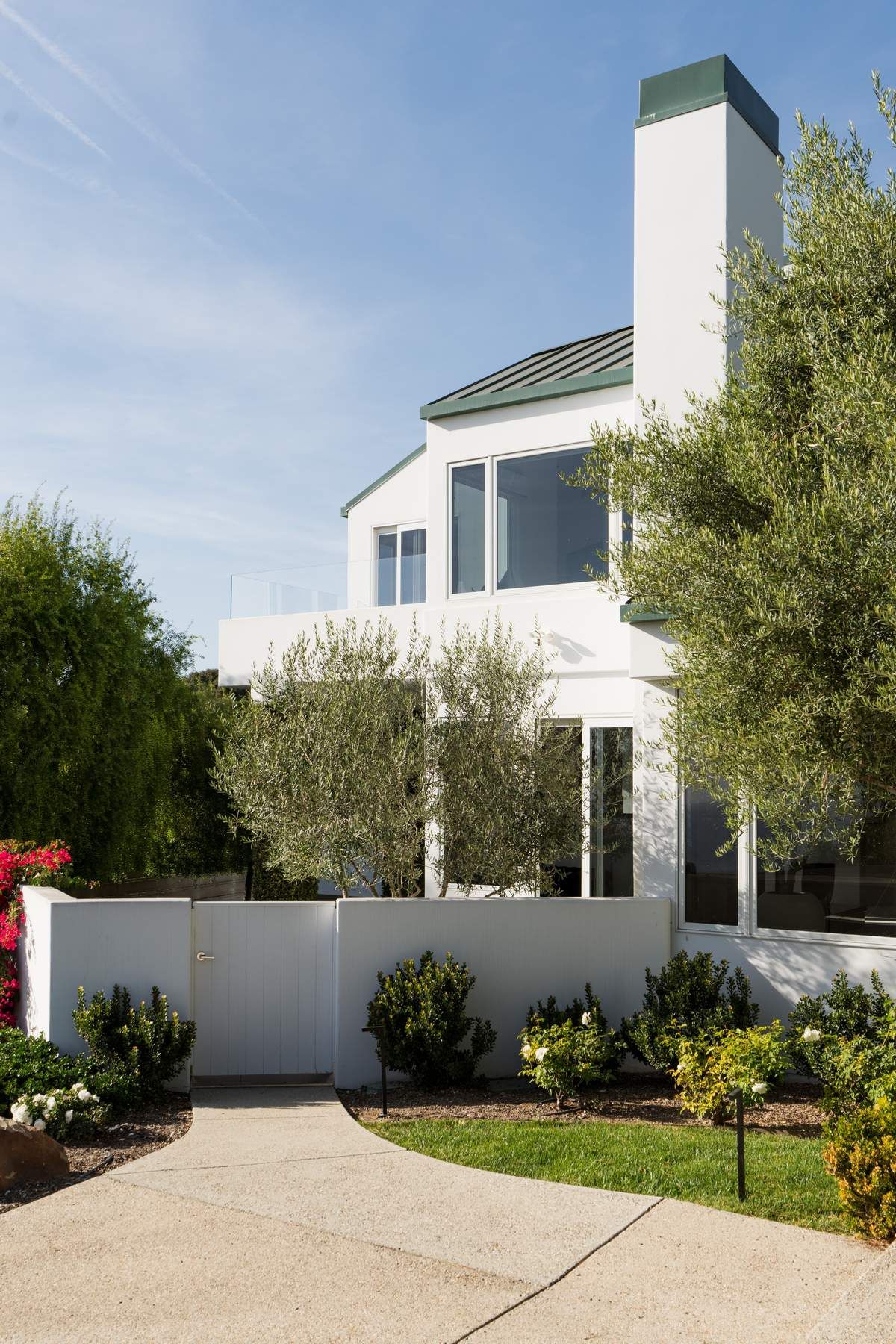
Guest house, casita, and ADU get used interchangeably all the time, but buyers don’t hear them the same way. And when the wording is vague, buyers assume the worst. When it’s clear, they lean in.
If it feels like everyone suddenly wants “a little extra space,” you’re not imagining it. One of the biggest themes I’m seeing right now is flexibility. Buyers are actively searching for homes that can handle guests, aging parents, a kid coming back from college, a dedicated office, or a separate space that feels like an escape from the main house.
A guest house is the catch-all term. Most buyers interpret it as a separate structure or separate living area meant for visitors. It might be fully independent, or it might simply be a detached room with a bathroom. It’s a strong phrase for marketing, but it’s also vague, which means your photos and description have to do the heavy lifting.
A casita is usually a marketing word for a small, private guest space, often detached or set apart. In most buyers’ minds, a casita feels more boutique: bedroom, bath, maybe a sitting area. Some people expect a kitchenette, but not everyone. What the word really communicates is privacy, charm, and separation.
An in-law suite usually means a private area connected to the main home, like a wing or a converted section with its own bedroom and bath. Buyers often expect a separate entrance, or at least a real sense of privacy. A kitchenette can be a bonus, but plenty of in-law suites are more “suite” than “second home.”
An ADU is the most specific term, and it’s the one you want to use carefully. An ADU is essentially a second dwelling on the same lot that functions like its own small home. Buyers expect the basics for independent living: a sleeping area, a bathroom, and a real cooking setup. ADUs can be detached, attached, or created by converting existing space, but the key is that it reads like a separate dwelling, not just an extra room.
In California, you’ll also hear JADU (Junior ADU). Think of this as a smaller, more limited version created within the walls of the existing house, typically capped in size. It can still be valuable, but it’s not the same thing as a fully independent detached unit.
Here’s why the wording matters: buyers use these keywords to filter listings, and AI tools are summarizing listings for them. If you call something an ADU when it’s really just a bonus room with a wet bar, you’ll attract the wrong buyers and waste showings. If you under-sell a true ADU as a “guest suite,” you can miss the buyers who are specifically hunting for an ADU or a legitimate second unit. The goal isn’t to be clever. It’s to be clear.
When I market these spaces, I make the setup obvious right away. If there’s a separate entrance, I say it plainly. If there’s a full kitchen, I show it early in the photo order and describe it clearly. If it’s a guest setup without full cooking, I don’t dance around it. Buyers aren’t scared of limitations, they’re scared of surprises.
I also like describing the space the way people will actually use it. “Great for guests” is fine, but “separate space for visiting family, long-term guests, a quiet home office, or a studio” helps buyers picture real life. And if it’s truly a second unit, it deserves its own mini story in the listing: complete photos, a clear description of what’s included, and simple clarity around how it relates to the main home (privacy, access, parking, laundry, utilities).
Bottom line: these spaces are in demand because people want options, not trendy vocabulary. If you label it accurately and make the layout easy to understand, you’ll attract the right buyers and usually get a cleaner, stronger result.
Want to know the best way to position yours? Send me the address (or MLS number) and a quick rundown of what the space includes (detached or attached, kitchen setup, bed/bath, separate entrance, parking, and any permit info you have). I’ll tell you exactly how I’d label it, the keywords I’d use, and how I’d present it so buyers understand the value in the first 10 seconds.
FAQ: Quick answers buyers (and sellers) ask all the time
What’s the difference between an ADU and a guest house?
A guest house is a general marketing term and can mean a lot of things. An ADU is more specific: buyers expect it to function like a true second dwelling with independent living basics, including a real cooking setup and a bathroom. If it doesn’t have that, it’s usually safer to market it as a guest house, studio, or detached flex space.
Does a casita need a kitchen?
Not necessarily. Most buyers hear “casita” and think private guest quarters, not a full second home. If there is a kitchenette or full kitchen, highlight it clearly, but don’t imply it’s a full dwelling unless it truly functions like one.
Can an in-law suite be considered an ADU?
Sometimes, but only if it has the components of independent living and it’s recognized that way locally. Many in-law suites are simply a private section of the main home. Call it an in-law suite if it’s connected and doesn’t have a true cooking setup or separate utility/entry story.
What if the permit status is unclear? Should I still call it an ADU?
Be careful here. If you’re not 100% sure, use accurate, non-legal language like “guest house,” “detached studio,” “bonus suite,” or “flex space,” and let the buyer verify permits to their satisfaction. You can still market the lifestyle without over-promising.
What’s the fastest way to make this kind of space show well online?
Make the “independence” obvious. Lead with photos that show separation (entry, path, or distance), then the bathroom, then the cooking setup (if it has one). In the description, be specific about what’s included and how it relates to the main home. Clarity beats hype every time.