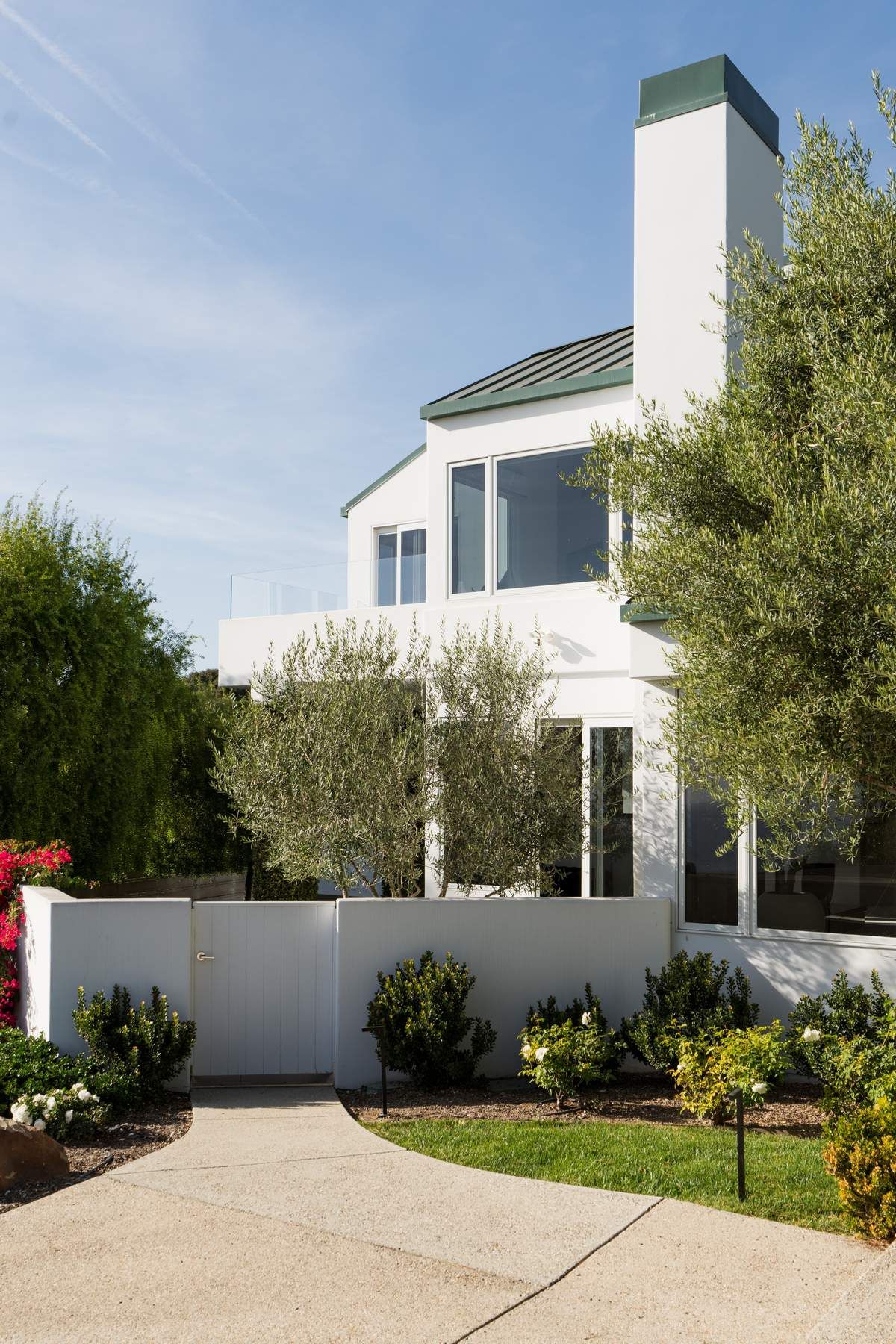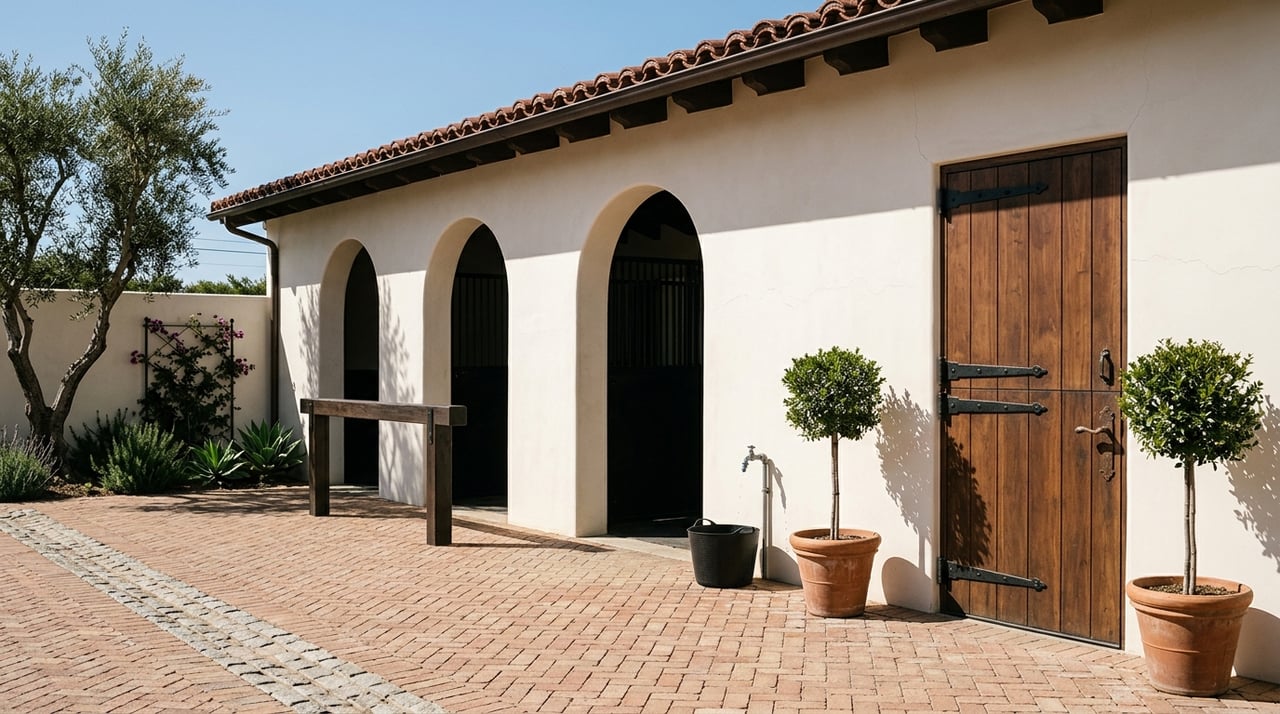
Looking for a neighborhood where horses are not an afterthought, but part of the original design? In Hope Ranch, the equestrian lifestyle is woven into the land itself, from historic bridle trails to estate properties that can accommodate barns, paddocks, and tack rooms within a carefully managed residential setting. If you are exploring what makes this coastal enclave so distinctive, here is a clear look at how riding, property ownership, and daily life come together in Hope Ranch. Let’s dive in.
Equestrian roots run deep
Hope Ranch is not simply a neighborhood that allows horses. According to the official Hope Ranch history, the community was laid out in 1923 with roads, utilities, and bridle trails already in place.
That early planning still shapes the area today. Hope Ranch spans 773 lots across 1,863 acres on a broad mesa with rolling knolls and valley terrain, a setting that naturally supports larger estate parcels and horse-friendly properties. The result is a residential community where equestrian use feels foundational rather than added on.
Horses are part of daily life
One of the clearest things that sets Hope Ranch apart is how directly the rules describe it. The HOA rule book identifies Hope Ranch as a pedestrian and equestrian community, and some internal bridle trails are reserved for horse use only, as outlined in the Hope Ranch Rule Book.
That matters if you are considering a home here. In many coastal communities, horses are limited to a niche pocket or a separate riding facility. In Hope Ranch, riding circulation is integrated into the broader neighborhood experience.
The rules also show that horse ownership is treated as a normal residential use. Horses and other domestic animals are allowed on lots as long as they are not kept for commercial purposes, with a maximum of 2.178 horses per acre and no more than five horses on any lot unless a specific exception applies under the Laguna Blanca Declaration.
Trail access is private and structured
Hope Ranch offers a rare riding environment, but it is not open-access. Use of the trail system is controlled through the association, which helps preserve privacy and order within the community.
If you are wondering who can ride there, the answer is fairly specific. Members can use the trails, guests may ride only when accompanied by a host member, and trainers must be registered with the association, all according to the community rules.
For buyers, this structure is important. It reinforces that Hope Ranch’s equestrian lifestyle is private, residential, and intentionally managed rather than operating like a public trail network.
What that means for guests and trainers
If you enjoy hosting friends for a ride or working with a professional trainer, the details matter. Guest riders are allowed, but only under the supervision of a host member, and horse trailers brought in by guests must be parked at the host member’s property.
That setup supports access while keeping neighborhood traffic and staging areas under control. It is one more example of how Hope Ranch balances lifestyle access with community stewardship.
Horse-ready properties are built into the guidelines
For buyers interested in equestrian use, Hope Ranch stands out because its governing documents explicitly recognize horse-related improvements. The building guidelines reference barns, stables, tack rooms, corrals, paddocks, horse training equipment, and even compost facilities for animal waste.
This does not mean every property is automatically ready for immediate horse use. It does mean the community has a defined framework for reviewing and integrating these structures into a residential estate setting.
The same guidelines recommend post-and-rail fencing for horse corrals and emphasize screening, placement, and compatibility with surrounding properties. In practice, that helps preserve the polished, estate-like character Hope Ranch is known for.
Site planning matters here
Hope Ranch’s planning rules also help explain why the neighborhood feels so composed. The building guidelines protect bridle easements and sight lines, which means landscaping and property improvements need to work with riding circulation rather than block it.
That has a real effect on how homes live. It supports an environment where horses, pedestrians, vehicles, and architecture all have to coexist thoughtfully across large residential parcels.
Driving, circulation, and safety
In a true equestrian community, the road network matters just as much as the trail network. Hope Ranch’s rules instruct drivers to move carefully because of blind spots and corners, and the default speed limit on most roads is 25 mph, according to the rule book.
That may sound like a small detail, but it says a lot about everyday life. The neighborhood is designed with the understanding that horses are part of normal circulation, not an occasional exception.
For buyers, this can be one of the biggest differences between Hope Ranch and other luxury coastal neighborhoods. The equestrian identity is reflected not just in amenities, but in the rules of movement and the physical layout of the community.
The estate lifestyle beyond the barn
Hope Ranch is also defined by its broader residential framework. The building guidelines require each residence to have a garage for two or more cars totaling at least 400 square feet, plus at least four additional non-tandem off-street parking spaces.
Those standards are not horse-specific, but they support the kind of estate functionality many equestrian owners value. More space for vehicles, service circulation, and organized arrivals can make a meaningful difference on a property that serves both residential and recreational needs.
Garage doors facing the street should be screened, and visible carports are restricted from common areas and neighboring properties. Together, these details reinforce the neighborhood’s refined and carefully managed aesthetic.
Beach access adds a coastal layer
One of Hope Ranch’s most distinctive qualities is that its equestrian identity exists alongside private coastal access. The association-maintained beach park is a resident amenity with controlled entry, and access is limited through annual beach cards for members, their residing family members, and tenants, as described in the Hope Ranch Rule Book.
That private beach component adds a layer of lifestyle appeal that is difficult to replicate. Hope Ranch is not just horse-friendly. It is a coastal residential enclave where riding culture and beach access sit within the same membership-based framework.
Horses and the beach park
The beach rules are also relevant for equestrian owners. Horses may use the beach park, but from Memorial Day weekend through September 30 they cannot pass through the main beach-use area and must stay to the west, or right, of that main area.
Trailers are also restricted in the beach park parking area unless management gives permission. So while horse access is part of the lifestyle, it is managed with seasonal and operational boundaries.
Club life complements the setting
Hope Ranch’s lifestyle extends beyond trails and beaches. La Cumbre Country Club is located in Hope Ranch and offers golf, six championship tennis courts, an aquatics area, a fitness center, and dining.
For some buyers, that club component is part of the appeal. It broadens the day-to-day experience beyond equestrian use and adds another layer to the neighborhood’s private, amenity-rich setting.
If you are looking at the wider South Coast lifestyle, nearby equestrian culture across Santa Barbara County can also strengthen Hope Ranch’s appeal. Still, within Hope Ranch itself, the strongest story is the rare combination of horses, coastal access, and estate living shaped by long-standing community design.
What buyers should pay attention to
If you are considering a Hope Ranch property for an equestrian lifestyle, it helps to look beyond square footage and finishes. The most important questions often relate to how a property works on the ground.
Here are a few practical points to review:
- Access to or relationship with bridle trails and easements
- Existing horse facilities such as barns, stables, tack rooms, paddocks, or corrals
- Lot size and how horse allowances may apply under the HOA rules
- Site layout, fencing, screening, and circulation for trailers or service vehicles
- Proximity to beach access and how seasonal horse-use rules may affect your plans
- Whether any trainer use or guest riding needs align with association requirements
In Hope Ranch, these details shape how well a home supports the lifestyle you want. A beautiful estate may still need careful evaluation if equestrian use is a priority.
Why Hope Ranch feels so unique
Plenty of luxury neighborhoods offer privacy, larger lots, or club amenities. Far fewer offer an equestrian lifestyle that has been part of the neighborhood plan for more than a century.
That is what gives Hope Ranch its distinct identity. It is a coastal community where horse ownership, private trails, beach access, and estate planning are all connected through the same set of rules and the same physical landscape.
For the right buyer, that combination can be compelling. You are not just buying a house. You are buying into a way of living that is unusually specific, highly curated, and deeply tied to place.
If you are considering buying or selling in Hope Ranch and want thoughtful guidance on how lifestyle, property design, and neighborhood rules intersect, Tyler Mearce offers discreet, tailored representation grounded in local knowledge of the Santa Barbara South Coast.
FAQs
Who can use the Hope Ranch bridle trails?
- Hope Ranch members can use the trails, guests may ride only when accompanied by a host member, and trainers must be registered with the association.
Are horses allowed on Hope Ranch residential lots?
- Yes. Horses and other domestic animals are allowed if they are not kept for commercial purposes, subject to HOA limits on horses per acre and per lot.
Are barns and tack rooms allowed in Hope Ranch?
- Yes. Hope Ranch’s building guidelines explicitly contemplate barns, stables, tack rooms, corrals, paddocks, and related horse facilities as part of the property review process.
Is Hope Ranch beach access public?
- No. The beach park is association-controlled, and access is limited through beach cards issued to members, certain family members, and tenants.
Can renters use Hope Ranch amenities?
- Yes. The rules state that beach access cards may be issued to tenants, and during a rental term the renter is entitled to use the recreational facilities.
Can horse trailers be parked at the Hope Ranch beach park?
- Not generally. Trailers are restricted in the beach park parking area unless management grants permission, and guest horse trailers must be parked at the host member’s property.