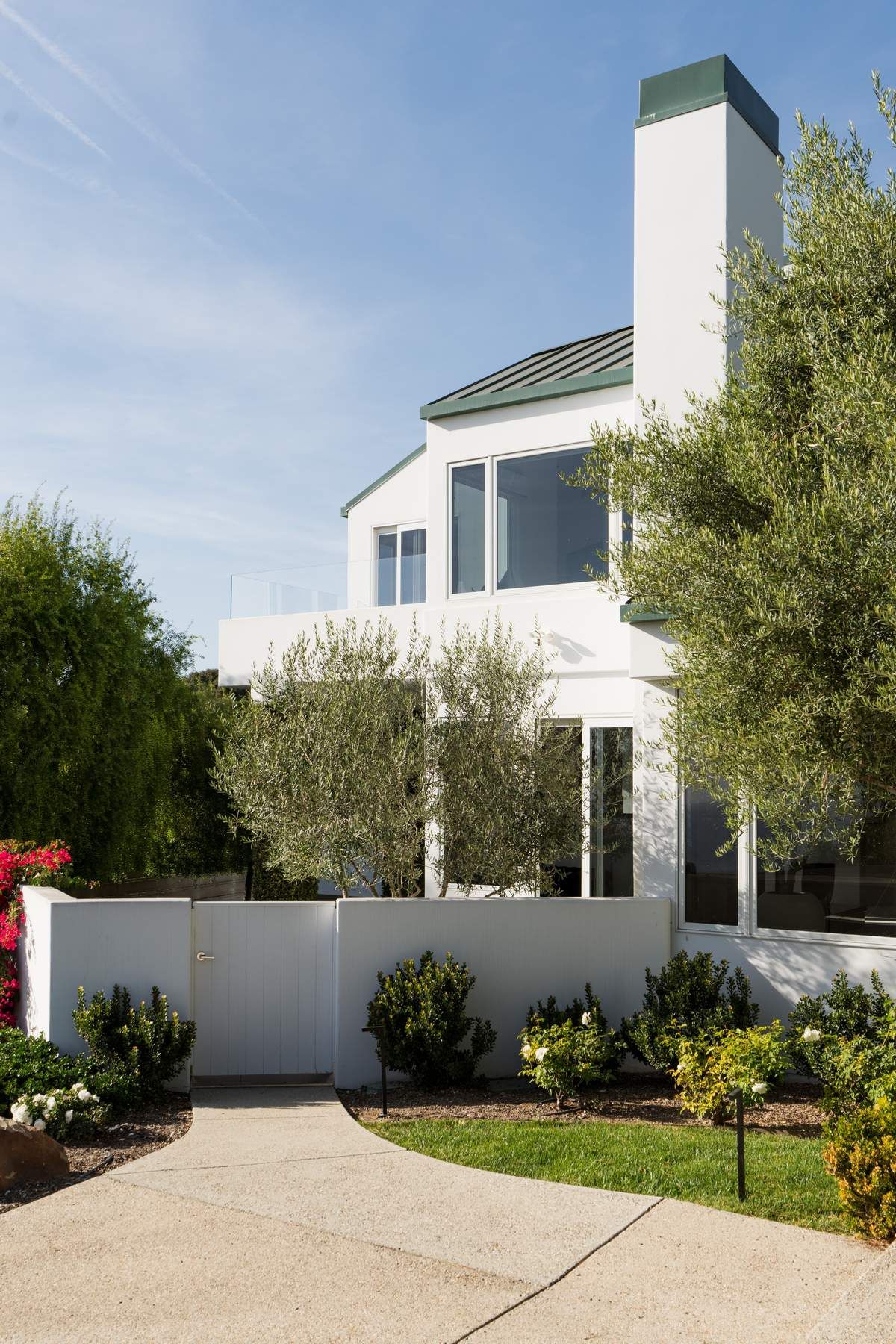
Buyers are still buying, but they’re buying with sharper filters. In Santa Barbara and Montecito, I’m seeing fewer people willing to “figure it out later,” especially when the cost of ownership feels higher, and the margin for surprise is smaller. That’s why thoughtfully renovated and redesigned homes are often the ones that create real urgency.
For sellers, it’s a big opportunity. The right renovation does more than improve photos. It changes how buyers feel in the first 30 seconds, how confident they are during inspections, and how far they’re willing to go to win the home.
Buyers aren’t only buying a home, they’re buying confidence
A well-executed renovation removes friction. It reduces the mental load of permits, contractors, delays, and decision fatigue. When a home needs work, buyers don’t just see the project cost. They price in time, disruption, and risk.
A true move-in-ready home feels different. Buyers can picture living, not managing. That emotional relief is a major value driver right now.
Not all renovations are the same, and buyers can tell fast
“Renovated” is one of the most overused words in real estate. I’ve walked plenty of homes where the finishes look fresh, but the execution tells a different story in person. Buyers notice it, even if they can’t immediately explain why.
Here’s the difference that matters:
A quick cosmetic refresh tends to feel like
-
Trendy choices that photograph well but don’t feel cohesive
-
Inconsistent materials and awkward transitions
-
Surface upgrades that skip the fundamentals
-
Details that feel rushed: uneven lines, sloppy paint, loose hardware, questionable tile work
A high-quality renovation tends to feel like
-
Calm, cohesive design with consistent materials and proportions
-
Craftsmanship you can see and feel: clean reveals, tight lines, solid doors, quiet floors
-
A home that functions better, not just looks newer
-
Confidence in the “unseen” parts, not only the finishes
That gap translates directly into value. Buyers will pay more for a home that feels trustworthy. They discount the moment they feel uncertainty.
In our market, construction quality shows up in the fundamentals
Santa Barbara and Montecito have unique factors that make quality and preparation matter even more. Buyers here often ask deeper questions, earlier.
A renovation that holds real weight usually addresses some combination of:
-
Water management and drainage (especially important for hillside properties)
-
Roofing and flashing details that prevent future headaches
-
Windows and doors that seal properly and feel substantial
-
Electrical, plumbing, HVAC improvements where needed (not always glamorous, always meaningful)
-
Permit clarity and documentation when work required it
You don’t need to over-explain these items in marketing, but you do want them handled properly and presented clearly when buyers ask.
Why renovated homes can outperform even in a buyer-leaning moment
When buyers have more leverage, they negotiate hardest on homes that feel overpriced, unfinished, or risky. That’s where high-quality renovations shine. A buyer may love the charm of a fixer, but they rarely love the uncertainty.
A renovated home that’s done right makes the decision easier:
-
fewer “what if” questions
-
fewer imagined expenses
-
fewer reasons to hesitate
And in a market where hesitation kills deals, that matters.
What buyers are actually paying for right now
It’s not just “new.” It’s resolved.
A kitchen that works
Not only beautiful, but functional: smart storage, real prep space, good lighting, and flow that fits how people live today.
Bathrooms that feel like an upgrade
Crisp tile work, flattering lighting, strong ventilation, quality fixtures. Buyers know when it’s builder-basic versus truly elevated.
Design that feels timeless
Cohesive finishes, warm materials, thoughtful textures, and choices that complement the architecture rather than fight it.
A home that feels easy
Buyers are paying for the absence of a to-do list. That’s the real luxury.
What this means for sellers
If you’re considering improvements before selling, the goal isn’t “do the most.” It’s “do the right things well.”
A smaller scope with excellent construction quality and cohesive design often outperforms a larger renovation that was rushed, inconsistent, or overly trend-driven.
If you want buyers to trust the renovation, focus on three things:
-
Quality of execution (details and craftsmanship)
-
Cohesion (materials, lighting, and flow that feel intentional)
-
Confidence (documentation, inspection posture, and fewer unknowns)
That’s what creates stronger demand and cleaner negotiations.
What this means for buyers
A renovated home can be a smart purchase when the work is thoughtful and properly executed. The key is knowing what you’re looking at.
A simple rule I give buyers:
If it looks great but feels questionable, pause. If it looks great and feels solid, you’re usually in a different category of value.
Closing
In Santa Barbara and Montecito, the renovated homes that win aren’t always the flashiest. They’re the ones that feel finished, intentional, and built with care. A high-quality renovation doesn’t just change the look of a home. It changes buyer confidence, and confidence drives stronger offers.
If you’re a seller wondering which improvements actually move the needle, or a buyer wanting a second set of eyes on renovation quality before you commit, I’m happy to help you evaluate what’s real and what’s just surface.
FAQ
1) Are renovated homes selling faster in Santa Barbara and Montecito?
Often, yes, especially when the renovation is cohesive, well-executed, and priced correctly. Buyers are quick to move on from homes that feel uncertain or unfinished.
2) What’s the difference between a cosmetic remodel and a high-quality renovation?
Cosmetic work updates surfaces. High-quality renovations improve how the home lives and feels, with consistent materials, better lighting, stronger craftsmanship, and attention to the fundamentals.
3) What renovation features do buyers pay the most attention to?
Kitchens, bathrooms, lighting, flooring quality, and overall cohesion. Buyers also care about “quiet confidence” items like windows/doors, drainage, and mechanical systems.
4) Do permits matter to buyers here?
They can. Buyers often feel more comfortable when major work has clear documentation. Even when permits aren’t the headline, clarity reduces friction during due diligence.
5) How can a seller prove renovation quality without overselling it?
Keep a simple package: a scope summary, contractor/vendor list, receipts or warranties when available, and before/after context. Let the workmanship speak for itself.
6) Should a seller renovate before listing or price for condition?
It depends on the home, the location, and the target buyer. The best strategy usually balances ROI with risk and timeline, and avoids over-improving in ways buyers won’t value.
7) What should buyers look for during a showing of a renovated home?
Consistency in details, clean transitions, solid doors/cabinets, quality tile and finishes, good lighting, and a layout that feels intentional. If something feels rushed, ask questions.
8) Can a renovated home still have inspection issues?
Yes. Renovation doesn’t guarantee perfection. The difference is whether the home presents as well-maintained and whether the work reduces unknowns rather than adding them.