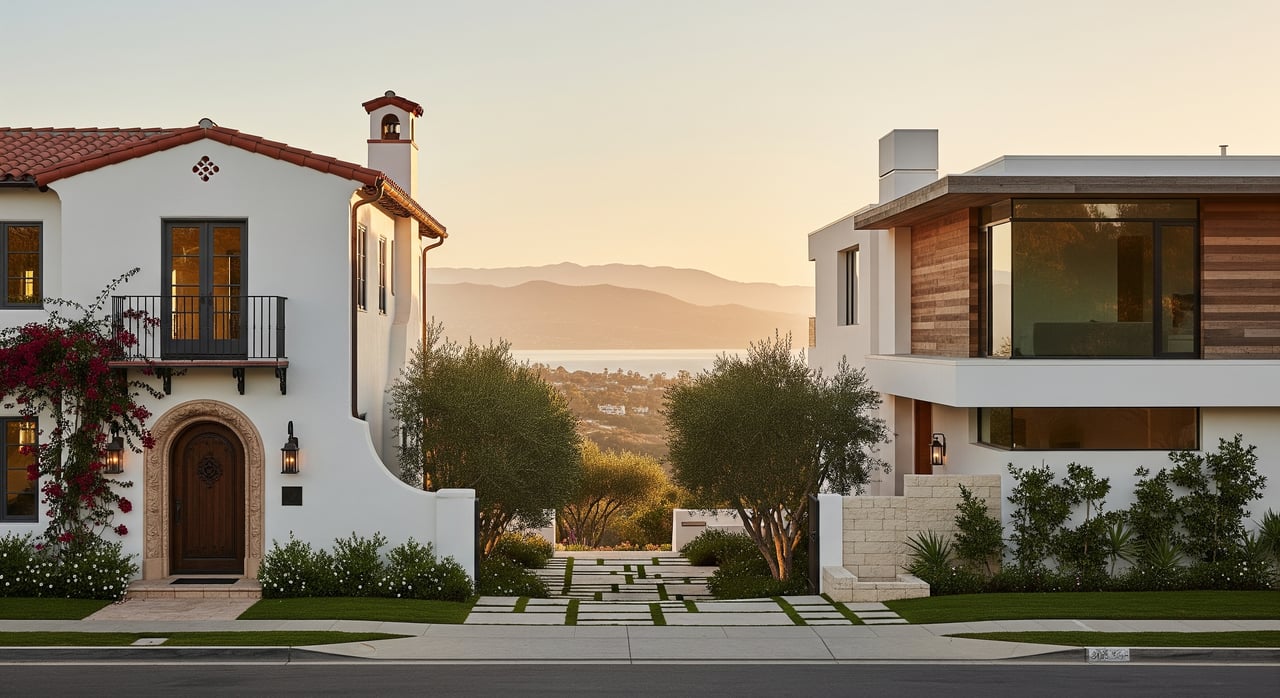
Do you picture sun-warmed stucco and terracotta, or glass walls that float over the city lights and sea? On the Riviera in Santa Barbara, the choice between Spanish Colonial Revival and Contemporary is more than a look. It shapes how you live with the hillside, the marine layer, and those signature ocean views.
You want clarity before you commit. This guide compares how each style captures views, connects indoors and out, and handles maintenance on a coastal slope. You will learn the key tradeoffs, what to inspect, and how to plan smart upgrades. Let’s dive in.
Spanish Revival essentials
Spanish Colonial Revival is the Riviera’s classic language. You will see stucco walls, low-pitched clay tile roofs, rounded arches, wrought iron, and hand-troweled plaster. Many homes include courtyards, terraces, and shaded loggias that create intimate outdoor rooms.
Inside, expect plastered walls, beamed ceilings, and casement windows. Details often feel artisanal and warm. Layouts can be more compartmentalized, with select rooms like the living room or primary suite positioned for the best view.
Maintenance is straightforward if consistent. Clay tile roofs can last for decades, but individual tiles may crack or slip. Underlayment and flashings will age and eventually need replacement. Stucco performs well in this climate but can crack around openings or with slope movement, so prompt patching helps prevent moisture intrusion. Wood and iron elements benefit from periodic sealing or repainting in the coastal air.
Many Spanish Revival homes sit in historically significant contexts. Exterior changes that alter defining features may require municipal design or historic review. This adds steps but helps preserve neighborhood character.
Contemporary essentials
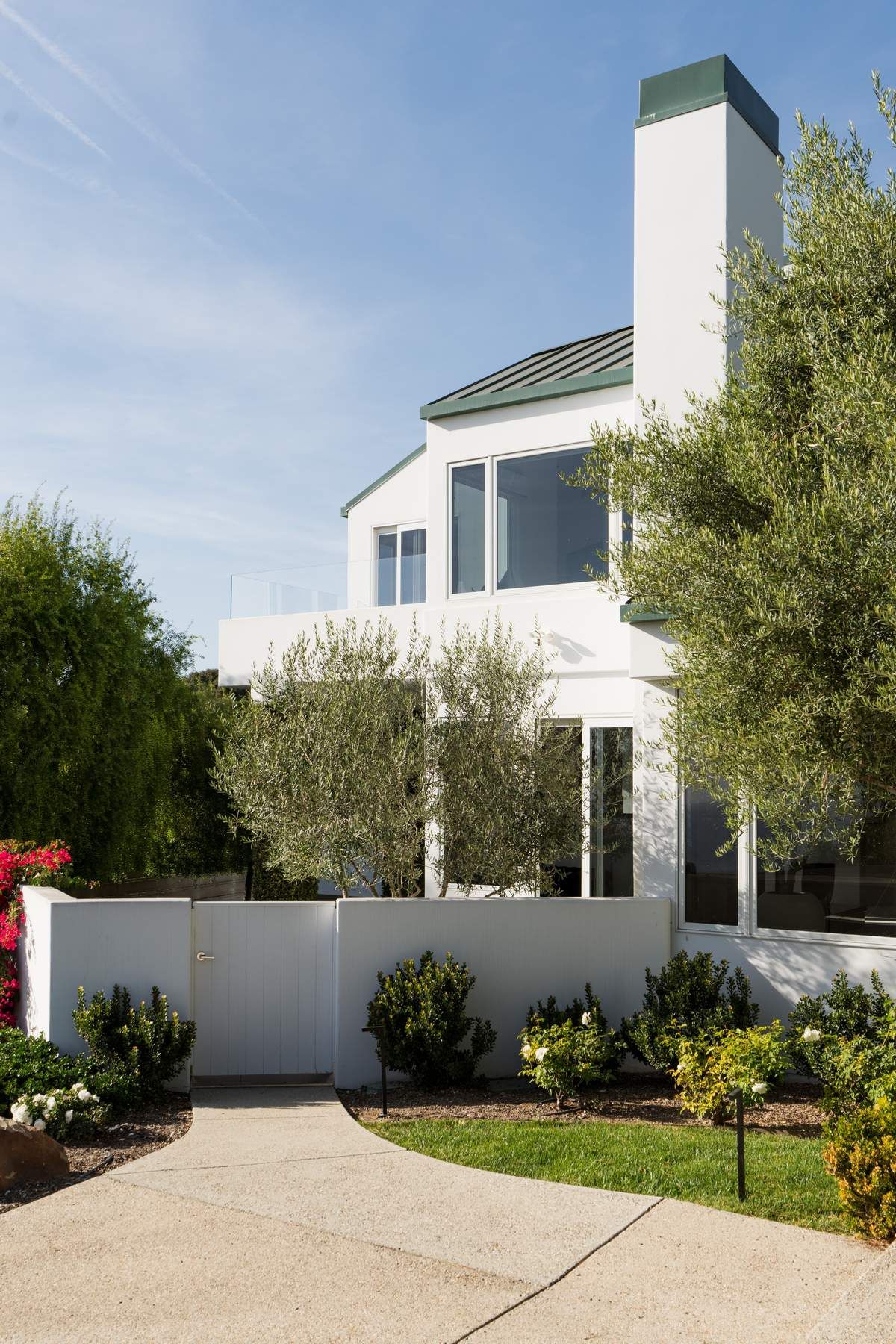
Contemporary homes on the Riviera are designed around clean lines and open volumes. Large panes of glass capture wide ocean and city views, with sliding or folding walls that blur the line to terraces and decks. Roofs are typically flat or very shallow in pitch, with strong horizontal forms.
Materials lean modern: steel and engineered wood, reinforced concrete, large insulated glazing, fiber cement or selective stucco, metal roofing, and composite decking. Interiors favor open plans, minimalist finishes, and high ceilings or clerestories.
The maintenance profile is different. Flat or low-slope roofs demand excellent waterproofing and drainage, with scheduled upkeep to avoid ponding. Large glazing systems require periodic service for seals, hardware, and any coastal corrosion. Many contemporary materials are durable, yet detailing at transitions must be precise on steep sites to keep water out.
View capture on the Riviera
Both styles can take full advantage of the Riviera’s south and southwest exposures. They simply frame the view differently.
- Spanish Revival prioritizes a sequence of framed moments. Think courtyard to garden to ocean. Arched windows, terraces, balconies, and loggias draw the eye outward while providing shade and privacy. The best views are often reserved for key rooms rather than every space.
- Contemporary seeks uninterrupted panorama. Floor-to-ceiling glazing, corner sliders, and open plans push the living areas to the view edge. Cantilevered decks and roof terraces expand sightlines while extending the living space.
If you want full-width horizon lines from multiple rooms, Contemporary often makes that easier. If you prefer a sheltered, cinematic reveal of the coast, Spanish Revival excels.
Indoor-outdoor living
The Riviera’s microclimate is mild but shaped by marine layer and afternoon sun. Both styles handle this well in different ways.
- Spanish Revival uses shaded arcades, loggias, and enclosed or semi-enclosed courtyards. These spaces temper sun and wind, offer privacy, and create cool outdoor rooms for midday use.
- Contemporary relies on large operable glass walls, deep overhangs, and outdoor rooms or kitchens integrated into the plan. Shading elements like louvers and screens manage heat gain without blocking the view.
Glazing choices matter across both styles. Low-E glass, insulated frames, and thoughtful overhang depth help balance daylight, glare, and thermal comfort. With the marine layer bringing moisture, proper ventilation and material selection reduce condensation and corrosion risk.
Hillside engineering basics
Riviera lots are often steep with tight access. This shapes both design and upkeep.
- Slopes and soils call for geotechnical evaluation. Foundation design and retaining walls should address stability and drainage.
- Orientation usually favors ocean views, daylight, and prevailing breezes. Overhangs and exterior shading can fine-tune comfort.
- Narrow, winding streets and steep drives impact everyday access and contractor logistics. Staging repairs and renovations on the hillside can be more complex.
These constraints affect both Spanish Revival and Contemporary homes. The key is a solid structural and drainage strategy that suits the site.
Maintenance priorities
Coastal hillside homes share a core maintenance checklist. Staying proactive protects value and keeps repairs predictable.
- Geotechnical and retaining walls: look for movement, cracking, and drainage performance.
- Roofs: inspect tile integrity for Spanish Revival, and waterproofing membranes, flashings, and drainage on flat or low-slope roofs.
- Stucco and flashing: check for hairline cracks, staining, or soft spots near windows and doors.
- Glazing and doors: evaluate seals, hardware, and any fogging in insulated units, especially on large sliders.
- Metals: watch for corrosion on railings, fasteners, and roof flashings from salt air.
- Drainage: ensure gutters, downspouts, and site grading move water away from structures and walls.
- Termites and pests: inspect wooden elements in all styles.
- Mechanical systems: coastal HVAC can need more frequent service. Confirm sewer or septic condition.
- Access and safety: verify exterior stairs, railings, lighting, and steep driveway usability.
Style-specific notes:
- Spanish Revival: clay tile can last 50-plus years, but underlayment and flashing cycles are shorter. Stucco endures with periodic crack repair and sealing. Wood and wrought iron benefit from regular coating.
- Contemporary: roof membranes often have a 10–30 year service life depending on type and maintenance. Large glazing systems and custom hardware have finite lifespans and can be costly to service or replace. Coastal-rated fasteners and finishes help metals resist corrosion.
Cost drivers on hillsides
Budget for the hillside context, not just the house.
- Geotechnical work and any retaining wall repair or replacement can be major line items, especially if you plan additions.
- Drainage and erosion control are essential and worth doing right. Subsurface drains and grading improvements protect foundations and neighboring properties.
- Site access increases costs. Deliveries, equipment, and staging on narrow streets can add time and labor.
- Insurance may be higher due to wildfire exposure, slope conditions, and coastal environment. Verify current premiums and coverage before you buy.
- Landscaping and water use reflect regional drought rules. Drought-tolerant planting and efficient irrigation often reduce ongoing costs after initial conversion.
Permits and hazard zones
Planning ahead helps you avoid surprises.
- Design and historic review: exterior changes in Santa Barbara may require review, especially for historically significant Spanish Revival homes. Confirm what is allowed before planning visible alterations.
- Hillside permits: structural, retaining wall, and grading work typically require building permits with structural and geotechnical reports.
- Coastal considerations: properties in the coastal zone can face additional local coastal program requirements and, in some cases, broader review.
- Wildfire and seismic: the hillsides carry seasonal wildfire risk and require defensible space and ignition-resistant materials. Seismic and slope-stability standards guide foundation strategies for safety and resilience.
Lifestyle fit and resale
Both styles are highly desirable on the Riviera. Your decision comes down to how you want to live.
- Spanish Revival suits you if you value tradition, privacy, and a layered connection to the outdoors. Courtyards and loggias create calm, shaded places to gather. Views are more curated than continuous.
- Contemporary suits you if you want panoramic views and seamless flow between great room, terrace, and deck. Light and connection drive the experience, with engineered shading to manage sun and wind.
On resale, well-maintained Spanish Revival homes often command strong demand due to their iconic character. Contemporary homes that maximize views and indoor-outdoor living also perform well when executed with durable coastal detailing. Consider your long-term maintenance plan when comparing options.
Smart buyer checklist
Use this quick due diligence list as you evaluate a Riviera home in either style.
- Commission full structural and general inspections, including roofs and foundations or retaining walls.
- Obtain a recent geotechnical evaluation for hillside lots if none is available.
- Hire specialists for tile roof underlayment and flashings, or for large glazing systems and sliding walls.
- Request maintenance records for roofs, stucco repairs, glazing service, termite treatments, and drainage upgrades.
- Check planning records for permits, additions, retaining walls, and any historic designations.
- Get current insurance quotes, including wildfire coverage and any special conditions.
- Review local water-use expectations and landscaping compliance if you plan to re-landscape.
Choosing between Spanish Revival and Contemporary on the Santa Barbara Riviera is about aligning architecture with site and lifestyle. Focus on view strategy, indoor-outdoor comfort, and the hillside’s technical realities. With the right inspections and a clear maintenance plan, you can enjoy the style you love with confidence.
If you would like tailored guidance or a curated tour of Riviera homes that fit your vision, connect with Tyler Mearce for a private consultation.
FAQs
What defines Spanish Colonial Revival on the Riviera?
- Stucco walls, low-pitched clay tile roofs, arches, wrought iron, and courtyard or loggia outdoor spaces that frame views in a sequence.
How do contemporary homes maximize Riviera views?
- They use floor-to-ceiling glass, open plans, and cantilevered or roof decks to create wide, uninterrupted panoramas from main living spaces.
What should I inspect for hillside stability before buying?
- Geotechnical reports, foundation and retaining walls for movement or cracking, and site drainage that directs water away from structures.
Are there special rules for renovating historic Spanish homes?
- Many changes to defining exterior features may require municipal historic or design review, so verify requirements before planning work.
Do large glass walls increase maintenance near the coast?
- Yes, seals and hardware need periodic service, and coastal conditions can accelerate corrosion without proper materials and upkeep.