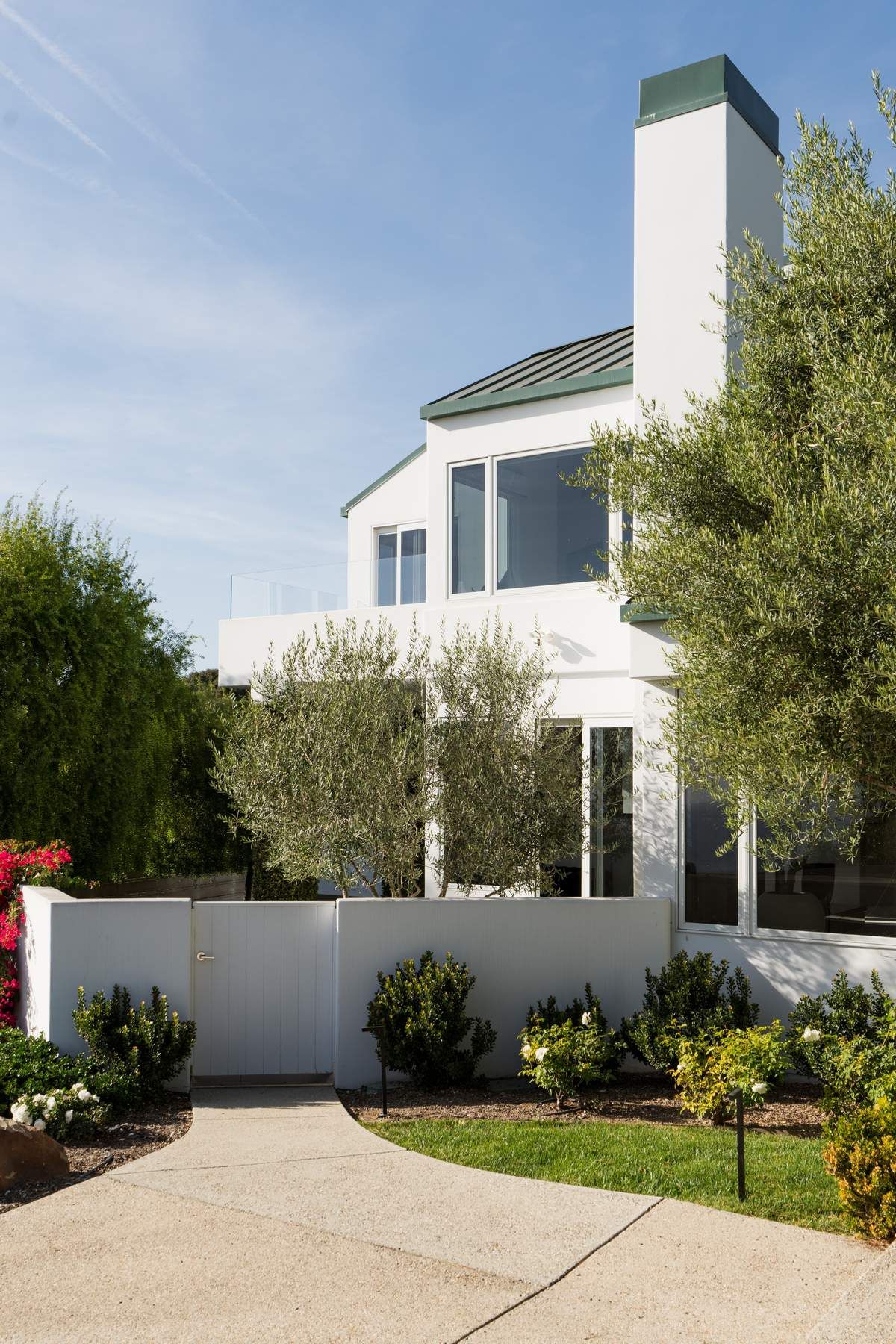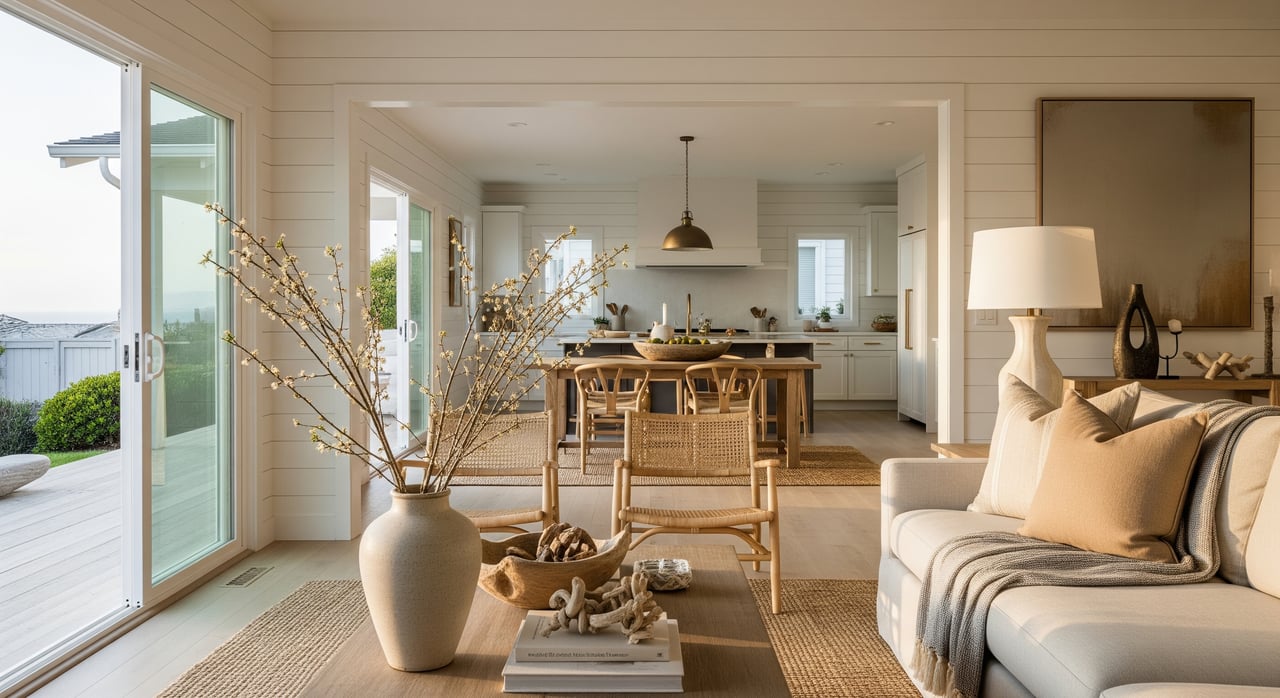
Does your Carpinteria beach cottage feel charming in person but fall flat in photos? You are not alone. Coastal light and salt air can work for you or against you when you sell. In this guide, you will learn exactly how to stage for Carpinteria’s marine light, showcase indoor–outdoor living, and choose low‑maintenance pieces that stay photo‑ready through every showing. Let’s dive in.
Understand Carpinteria’s coastal light
Carpinteria sees a morning marine layer and bright, reflective afternoons. The ocean and sand bounce light around, which can make rooms feel airy or washed out depending on how you stage. If you plan for this shift in light, your photos and tours will feel relaxed and luminous.
- Use soft neutrals that read warm in bright light. Creams with a hint of warmth photograph better than stark whites.
- Keep window treatments simple and open for showings. Sheer panels or clean roller shades let the light in without glare.
- Plan photo timing around the weather. Overcast mornings or late‑afternoon golden hour are often best.
For more on the coastal marine layer effect, review the NOAA overview of marine layers and how they form in coastal zones through the National Ocean Service’s plain‑language explainer on the marine layer.
What Carpinteria buyers expect
Buyers drawn to Carpinteria cottages prioritize indoor–outdoor flow, low‑maintenance landscaping, beach access, and durable finishes that handle salt, sun, and humidity. Outdoor rooms often tip the scales. When staging, make these spaces obvious, usable, and connected to your interiors.
Staging also matters for buyer perception. The National Association of Realtors notes that well‑staged homes photograph and show better, shaping how buyers see space and lifestyle. For a deeper dive, see NAR’s public summary of the Profile of Home Staging.
Materials that thrive in salt air
Your goal is a polished, coastal look that lasts through weeks of photos, tours, and breezy evenings. Focus on materials built for the environment so your staging keeps its edge.
Exterior hardware and finishes
- Choose marine‑grade metals. 316 stainless or high‑quality powder‑coated aluminum handles salt exposure better than chromed steel.
- Refresh exterior paint in light, UV‑resistant tones. Soft creams or warm whites look crisp in photos and keep heat down.
- For decking, select composite boards with good traction or well‑maintained teak. Rinse surfaces to remove salt before every showing.
Performance fabrics and furnishings
- Use fade‑ and mildew‑resistant textiles. Outdoor‑grade fabrics like those detailed in Sunbrella’s performance overview resist fading, moisture, and mildew, which keeps cushions and slipcovers photo‑ready. Learn more about performance fabric benefits.
- Pick seating built for the coast. Teak, powder‑coated aluminum, and marine‑grade synthetic wicker hold up better than untreated wood.
- Choose washable, synthetic‑blend rugs. They resist moisture, clean easily, and handle sand better than delicate fibers.
Flooring and thresholds
- Keep tones consistent across the threshold to reinforce indoor–outdoor flow.
- Use low‑porosity tile, sealed hardwood, or composite decking near doors. Aim for good slip resistance in outdoor zones.
Paint and moisture control inside
- In baths and lower‑level rooms, use primers and paints with mildew resistance. Semi‑gloss on trim and high‑touch zones wipes clean.
- Ensure exhaust fans work and windows open easily. The EPA provides practical guidance on preventing mold and managing humidity in homes. See the EPA’s Brief Guide to Mold, Moisture and Your Home.
Maintenance habits that preserve staging
- Rinse exterior metals and furniture to remove salt film.
- Launder removable cushion covers regularly.
- Keep weep holes and vents clear so moisture does not linger.
Make indoor–outdoor living obvious
You want buyers to feel the beach lifestyle the moment they walk in. Stage to make the flow effortless and the views the hero.
Furniture placement and sightlines
- Angle sofas and chairs toward windows and doors that frame views.
- Create clear paths to patios and decks. Avoid bulky pieces that block thresholds.
- Mirror wood tones and cushion colors indoors and out for visual continuity.
Open the threshold
- When weather permits, open sliders or folding doors for photos and showings.
- Minimize visual clutter near doors. Store screens if safe and remove personal gear so the viewline stays clean.
Soft staging that sells the lifestyle
- Set a simple outdoor dining vignette. A small table with neutral dishware and a single centerpiece reads as usable and inviting.
- Use lightweight throws and pillows in coastal textures that are also performance grade.
- Add greenery that thrives locally. Succulents and ornamental grasses look fresh and need little care.
Water‑wise, low‑maintenance landscaping
In Santa Barbara County, buyers value drought‑tolerant planting and simple upkeep. The University of California Cooperative Extension offers practical guidance on water‑wise choices for Mediterranean climates. Explore UC ANR’s Water‑wise Gardening resources for ideas. For native and coastal species that suit Carpinteria, browse the California Native Plant Society’s Calscape database.
Stage and shoot for editorial‑worthy photos
Photography is where your staging pays off. Plan the timing, tone, and styling so your listing stands out.
Light and timing
- Schedule exterior shots in late afternoon or during golden hour for warmer tones.
- Use overcast mornings for even, soft interiors.
- Avoid harsh midday sun that blows out windows and creates hard shadows.
Composition and styling
- Declutter deeply. Remove personal photos, paperwork, and excess decor so buyers can imagine their own life in the space.
- Keep a cohesive palette. Stick to sandy neutrals with soft blues and sea‑glass greens.
- Create light, editorial vignettes. A bowl of lemons in the kitchen or a neatly folded towel on a teak chair can signal lifestyle without feeling staged.
Technical touchpoints for your photographer
- Ask for modest wide angles to avoid distortion and a natural look.
- Encourage bracketing or HDR on windowed scenes to balance interior detail with bright views.
- Capture doors open to include outdoor rooms in interior frames.
If you use any virtual staging, disclose it and keep it realistic. It should reflect the home’s true scale, views, and access.
Room‑by‑room checklist
Entry and front porch
- Clear the sightline to the door and keep the path swept.
- Add a small bench or stools with a neutral cushion.
- Use fresh, salt‑tolerant potted plants and a clean welcome mat.
Living room
- Orient seating to highlight the best view and easy conversation.
- Layer a light rug, neutral slipcovers, and one or two textured accents.
- Tuck away cords and minimize visible electronics.
Kitchen
- Clear counters. Keep one or two styled items like a wooden board or citrus bowl.
- Polish appliances and remove fingerprints.
- If you have bar seating, match stool tone to outdoor furniture for continuity.
Primary bedroom
- Use crisp light bedding and two balanced bedside lamps.
- Remove personal items and keep closet doors closed.
- If there is outdoor access, show doors open during photos and tours.
Bathrooms
- Replace or launder all textiles with mildew‑resistant options.
- Refresh old caulk and clean glass. Add a small plant or neatly folded towels.
Outdoor living
- Choose a purpose for each area. Dining, lounge, or a compact fire‑pit grouping.
- Scale pieces to the space so movement stays easy.
- Keep sand, mold, and salt residue off surfaces before every showing.
Landscaping and curb appeal
- Group low‑maintenance succulents and ornamental grasses for color and texture.
- Remove dead foliage and tidy rock beds.
- Trim back anything blocking light into windows.
Timeline and maintenance plan
Two weeks before photos
- Deep clean interiors and launder or replace cushion covers with performance fabrics.
- Power wash hardscapes and rinse salt from railings and outdoor furniture.
- Replace visibly rusted exterior hardware and refresh any peeling paint.
- Prune and tidy planting. Add a few fresh potted specimens at entries and patios.
Photo day
- Open doors and curtains, turn on all lights with warm bulbs, and remove personal items.
- Rinse visible salt film from decks and metal fittings.
- Style simple vignettes and keep the palette consistent.
During showings
- Keep a quick‑prep kit: microfiber cloths, lint roller, a neutral throw, and a compact broom.
- Air out the home briefly when weather and safety allow.
- Rotate cushions and throws so they remain fresh.
Local pros and how to choose them
- Seek stagers and photographers with a coastal portfolio. Review how they handle bright windows and indoor–outdoor continuity.
- Ask stagers about materials. Favor outdoor‑grade textiles and coastal‑tough finishes for any piece near openings.
- For landscaping, select pros familiar with Santa Barbara water guidance and native choices that align with UC ANR and CNPS resources.
- If you notice corrosion, failed caulk, or water intrusion, involve a contractor early. Small fixes pre‑listing protect value.
Ready to elevate your Carpinteria cottage for market with concierge‑level staging, editorial photography, and global reach through Sotheby’s channels? Request a private consultation with Tyler Mearce to tailor a plan that sells your coastal lifestyle with clarity and care.
FAQs
What staging colors work best for Carpinteria cottages?
- Stick to sandy neutrals, warm whites, and soft sea‑glass tones that read well in bright, reflective coastal light and help blend indoor and outdoor spaces.
How do I keep outdoor cushions looking new in salt air?
- Choose fade‑ and mildew‑resistant performance fabrics, rinse furniture to remove salt film, and launder removable covers regularly to stay photo‑ready.
What plants are low maintenance for a beach cottage yard?
- Use drought‑tolerant natives and succulents suited to coastal Santa Barbara; UC ANR and the CNPS Calscape database provide region‑specific recommendations.
When is the best time to photograph my beach cottage?
- Schedule exteriors for golden hour and interiors for overcast mornings or late afternoon, then open doors and manage window contrast for natural, airy images.
Do I need to disclose virtual staging in my listing?
- Yes. If you use virtual staging, disclose it and ensure it accurately reflects room size, views, and access so buyers’ expectations match reality.