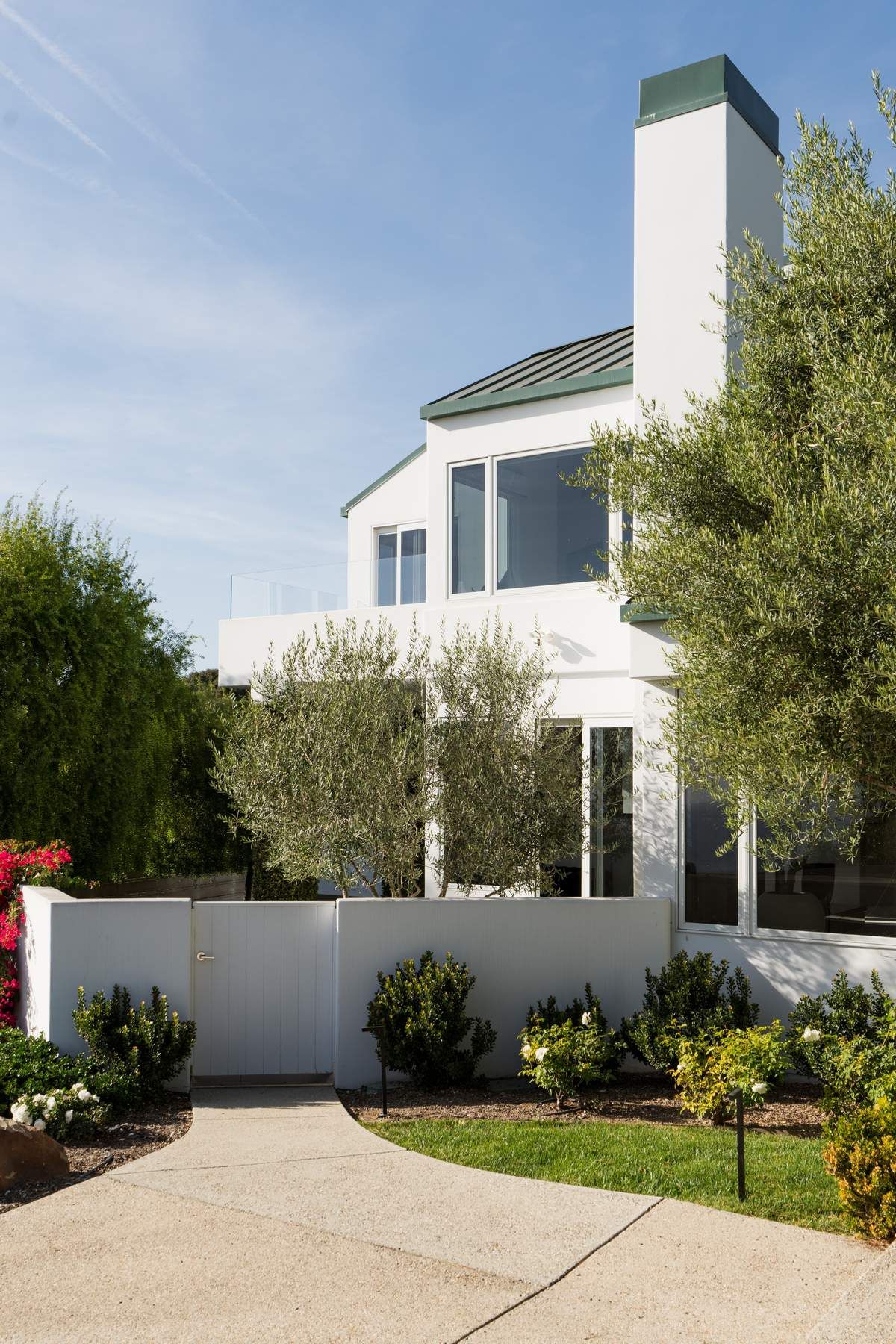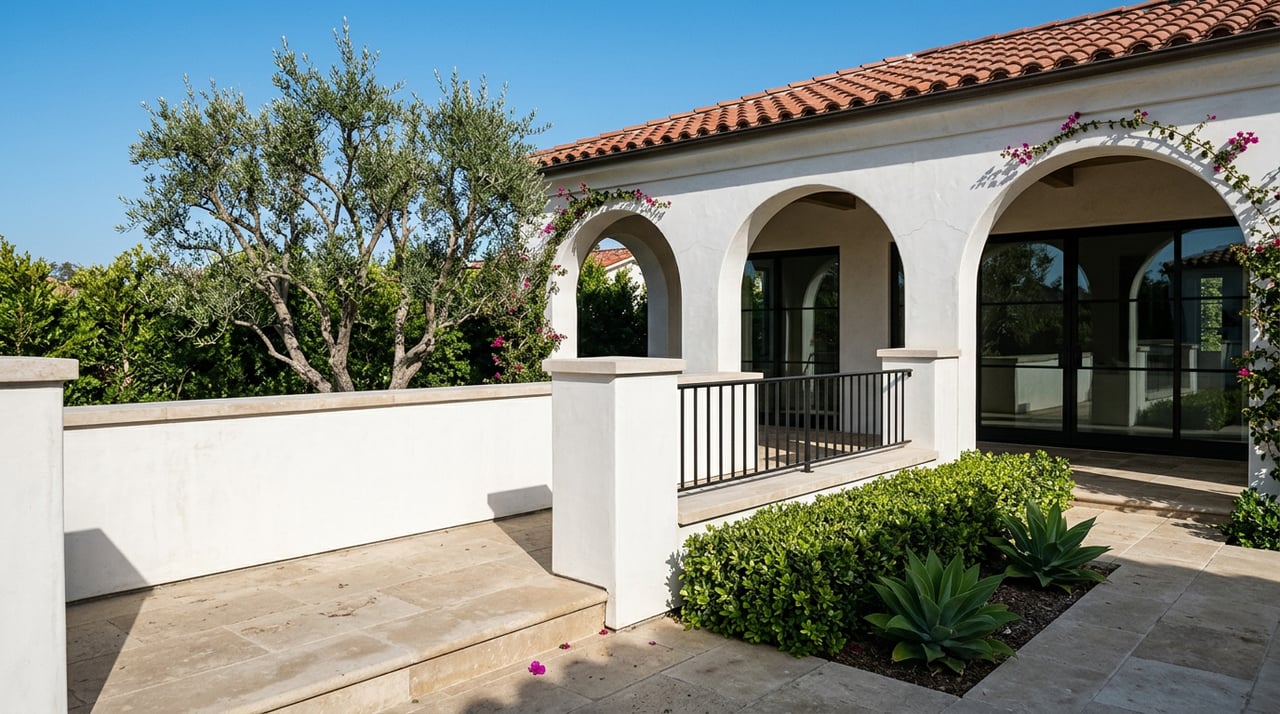
If two Riviera homes feel similar, why can one sell for hundreds of thousands more? On Santa Barbara’s Riviera, small differences in view, orientation, and permanence can swing value in a big way. You want clarity on what buyers and appraisers actually pay for, and how to document it so the premium holds through pricing, negotiation, and appraisal. This guide breaks down the drivers that matter most, with practical steps to prove value. Let’s dive in.
Market snapshot
The Riviera is a tight, high-end micro-market where base prices are already elevated. Neighborhood trackers showed typical median values in roughly the 2.9 million to 3.5 million range in late 2025 to early 2026. In 2025, the local market saw steady demand with lower-than-normal inventory, a backdrop that rewards rare view properties and careful presentation. You can see that context in the Santa Barbara Association of REALTORS® year-in-review, which highlighted buyer activity and limited supply for 2025. Local market summary, Jan 2026.
The core principle
View value equals quality multiplied by permanence multiplied by daily usability. A breathtaking but transient view is worth less than a slightly narrower but protected view that you enjoy every day from main living spaces.
View quality
The single biggest driver on the Riviera is view quality and breadth. Buyers distinguish among full, unobstructed ocean and Channel Islands views, partial ocean, city and harbor panoramas, and mountain outlooks.
What to capture:
- Clear, dated photos from primary rooms and terraces at representative times of day.
- Aerial or drone imagery to show elevation and sightlines.
- Simple line-of-sight or bearing diagrams from key spaces.
- Proof of any protections such as scenic easements, adjacent open space, or height limits.
Studies in coastal markets have found that full, unobstructed ocean views often trade at double-digit premiums, with smaller but still material premiums for partial or distant ocean views. Academic work on amenity pricing supports significant view effects when measured as a percent of value. Classic hedonic study on view value.
Appraisers typically isolate view contribution using the sales comparison approach. They rate view quality and support any adjustment with market evidence and clear commentary. Fannie Mae appraisal guidance.
Orientation and microclimate
Sun angle and wind exposure shape how often you enjoy the view. West and southwest orientations often catch golden-hour light and sunsets. Marine layer patterns can reduce morning visibility for certain orientations while afternoon orientations may clear. When you document the home, note compass bearings and include photos taken at times when the view is most representative.
Permanence of sightlines
Permanence can be as valuable as width. Buyers and lenders pay more for sightlines that are legally or physically protected. That may include views across public open space, parcels with strict height limits, or recorded scenic easements. The California Coastal Act requires that scenic and visual qualities be considered in development, and local design review bodies evaluate visual impacts. Evidence of those constraints can strengthen a claim that your view is stable. Coastal planning context.
Privacy and outdoor living
A panoramic outlook that you see only from a small deck is worth less than a similar outlook integrated into daily living. Buyers respond to views framed by great rooms, kitchens, and primary suites, plus terraces that feel sheltered from wind and neighbors. Show how outdoor rooms function. Include photos that prove usable, private spaces aligned to the main vista. Note any landscaping that could encroach on the view over time.
Access and wildfire risk
Access and safety matter in hillside neighborhoods. Steep or narrow streets can add ownership friction for daily living, guests, and service providers. On the Riviera, parcels can fall within mapped Fire Hazard Severity Zones. That can influence permit requirements, insurance availability, and buyer confidence. Check the state viewer for FHSZ designations and look at local agency updates on the 2025 maps for Santa Barbara County. State FHSZ viewer and local map release.
If your property is in a higher-risk zone, document defensible space, ember-resistant vents, Class A roofing, and other home-hardening features. Bring any recent insurer communications to the listing and appraisal process.
Lot usability and ADU potential
On the Riviera, lot size alone is less important than usable flat area. Buyers value terraces, lawns, pool or spa sites, and expansion or ADU potential. Appraisers usually treat this as a land or utility adjustment, separate from view. Have topography notes, site plans that show buildable pads, and a basic understanding of the City’s ADU allowances and objective design standards. City ADU resource and Title 25 objective standards.
Architecture and finishes
Architecture that frames the view adds real value. Large, well-detailed glazing, smart window placements, and seamless indoor-outdoor transitions make a panorama feel constant. Quality materials and recent upgrades matter in every price tier. Document architect and contractor specifications, notable upgrades, and provide comparables with similar design and condition.
How appraisers convert features to dollars
Appraisers rely on the sales comparison approach. The strongest support comes from paired sales that are closely matched in size, condition, lot, and proximity but differ in view. When perfect pairs do not exist, appraisers assemble several strong comparables, make reasoned adjustments, and reconcile a range with narrative support. Large single adjustments require clear evidence. Time adjustments also need support. Fannie Mae guidance on support and commentary.
What you can prepare:
- A labeled photo set from main rooms and terraces with times of day.
- A simple view-bearing diagram and drone images that show orientation and adjacent parcels.
- A short comp grid highlighting view category differences and other key adjustments.
- Fire-hardening and defensible-space records if in a mapped FHSZ.
Scale and scenarios
Because Riviera prices are high, small percentage differences equal large dollar amounts. The following illustrations show how that scale works. Use them as orientation only and verify with recent local comps before relying on any percentage.
- Scenario A, mid-market: A non-view baseline at 2,500,000 might see a 10 percent premium for a full, unobstructed ocean and islands view, implying about 250,000. If local paired sales support 15 percent, that implies about 375,000.
- Scenario B, upper tier: A 6,000,000 baseline with an 8 percent premium implies about 480,000 for improved view quality, while 20 percent would imply about 1.2 million. In upper tiers, underwriters and buyers scrutinize evidence closely. The 2025 market context of steady demand and lean inventory underscores why rare view homes can command outsized attention. Local year-in-review.
- Scenario C, paired match: A highly similar property with a partial ocean view closes at 3,000,000. A close match with a full, panoramic ocean and Channel view closes at 3,330,000. The implied premium for moving from partial to full would be about 330,000, or 11 percent, in that pair. Always confirm with truly comparable, recent sales.
Seller checklist
Prepare an appraisal-ready package so your view premium survives due diligence:
- View documentation: dated photos from each primary room, plus terrace shots at representative times; drone imagery that places the home in context.
- Permanence evidence: parcel and zoning maps for adjacent lots, any recorded scenic easements, and notes on open space or typical height limits. Include a summary of recent permit activity on nearby parcels.
- Orientation clarity: a simple plan view with compass bearings showing how living areas face the vista.
- Comparable sales: a tight comp set that isolates view differences and notes size, condition, and lot adjustments.
- Risk and resilience: FHSZ lookup results, defensible-space and home-hardening records, and any recent insurer feedback. State FHSZ viewer.
Buyer checklist
Before you pay a premium, verify what you are getting and how stable it is:
- Sightline stability: check for scenic easements, review adjacent parcel zoning, and ask your agent to screen recent permit activity for near neighbors. City design standards.
- Fire and insurance: confirm parcel Fire Hazard Severity Zone status and request current insurance availability and costs. Fold any required hardening or fuel modification into your budget. Local map release.
- Market support: ask to see the specific comps that justify the premium. Favor paired or very close matches, especially when the premium is large.
- Daily usability: visit at different times of day to check light, wind, and marine layer patterns. Confirm that the best views align with spaces you will use most.
Positioning your Riviera home
If you are selling, your goal is to turn a subjective view into objective evidence. That means editorial-caliber photography and copy that tell the home’s story, paired with a rigorous package that proves quality, permanence, and usability to appraisers and discerning buyers. If you are buying, insist on clarity. Ask for the view evidence, the comp logic, and the hazard context before you stretch for a premium.
If you want a data-informed strategy with elevated marketing and global reach, connect with Tyler Mearce for a private consultation. You will get a tailored plan that showcases what matters and stands up to appraisal.
FAQs
What adds the most value to a Riviera home?
- Full, unobstructed ocean and Channel Islands views that you enjoy daily from primary living spaces, with evidence that the sightline is stable, are typically the top value driver.
How do appraisers value ocean views in Santa Barbara?
- They use the sales comparison approach, favoring paired sales to isolate the view’s contribution, and support adjustments with recent market evidence and clear commentary. Fannie Mae guidance.
How can I prove my Riviera view is protected?
- Provide recorded scenic easements if any, parcel and zoning maps for adjacent lots, and note local design review constraints that limit height or massing. Coastal policies also weigh visual impacts. Coastal planning context.
Do wildfire zones affect insurance and lending on the Riviera?
- Yes. Parcels mapped in Fire Hazard Severity Zones can face different underwriting and insurance availability. Check the state viewer and review local map updates, then document defensible space and home-hardening work. State viewer and local update.
What premium should I expect for a partial ocean view?
- It varies by price tier and scarcity. Markets often show single to low double-digit effects for partial views, but you should rely on recent local paired sales to calibrate the actual premium. Hedonic study on view value.