If you are drawn to Santa Barbara’s Upper East, it is usually for more than a street address. This is a neighborhood where scale, walkability, and older residential patterns all shape the buying experience, and where the home itself often carries as much story as the location. Before you buy, it helps to understand how architecture, permits, and historic review can affect both your plans and your timeline. Let’s dive in.
Why Upper East Stands Out
Upper East sits just north of Santa Barbara’s core, roughly bounded by Mission Creek and Las Encinas Road to the north, Sola Street to the south, Laguna and Olive to the east, and State Street to the west. According to the City of Santa Barbara neighborhood descriptions, the area is primarily residential, with large-lot single-family homes in the northern portion and a more traditional street grid near State Street and Mission.
For buyers, that mix matters. Upper East is not simply a luxury address. It is also a place where the neighborhood fabric, including walkable blocks and long-standing residential patterns near downtown and Mission Santa Barbara, helps define value, as reflected in the City’s pedestrian planning materials.
Expect A Mix Of Historic Styles
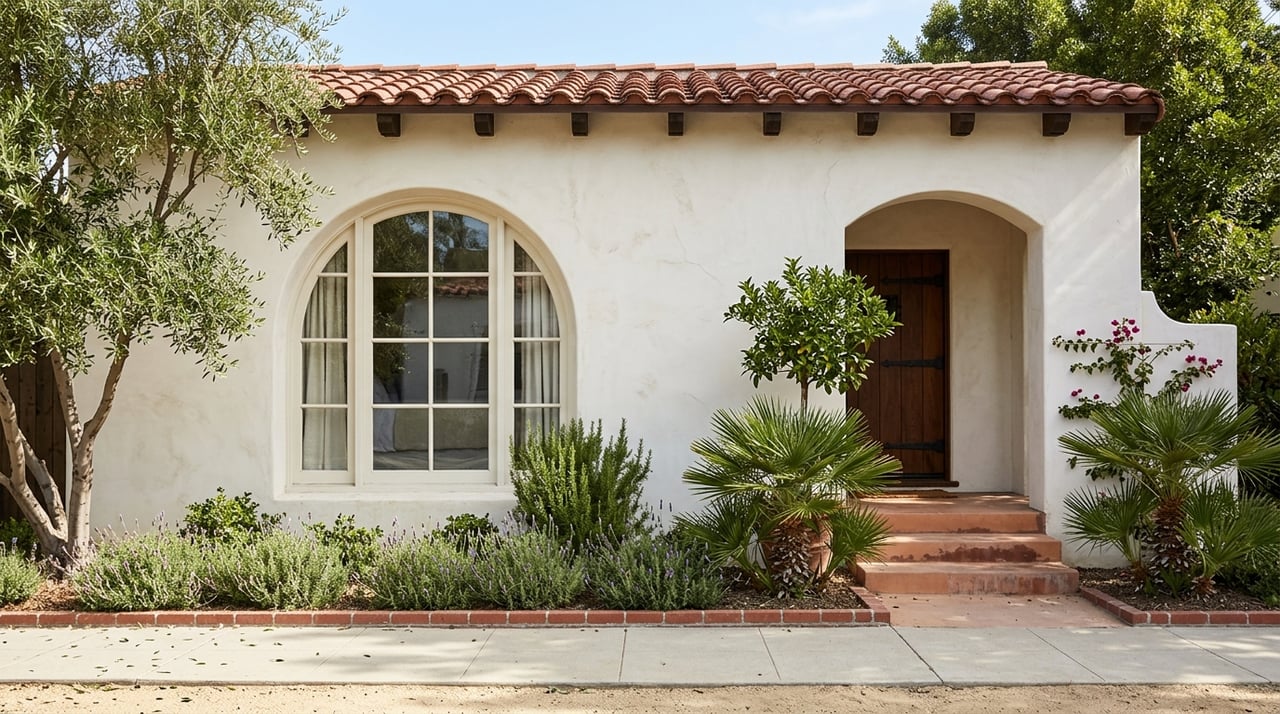
One of the first things buyers notice in Upper East is that the homes do not follow one single architectural formula. The neighborhood developed through several periods of Santa Barbara’s growth, so the age of a house often tells you more than the style label alone.
The City’s history of Santa Barbara notes that late-19th-century homes often reflected Italianate, Stick/Eastlake, Folk Victorian, and Queen Anne influences before local preferences shifted toward Mission Revival and later Spanish Colonial Revival. In practical terms, that means Upper East is best understood as a layered historic neighborhood rather than a single-style enclave.
Queen Anne And Turn-Of-The-Century Details
In Upper East, some Queen Anne Free Classic homes may include classical porch posts, divided-light upper sashes, and carved door panels, based on the City’s architectural style guidance. If you are comparing homes, details like porch depth, trim profiles, and original window patterns can be especially important because they often reflect the home’s original character.
These features are also more than cosmetic. They may affect renovation options, repair costs, and how the City reviews exterior changes if the property is historically significant.
Colonial Revival, Tudor, And More
Upper East also includes American Colonial Revival homes, which the City describes as often having a centered front entry, a slender-column portico, four-over-four double-hung windows, and louvered shutters in its historic resources design guidance. Buyers looking at these homes should pay attention to whether those details appear original or are later replacements.
English Vernacular and Tudor examples are part of the neighborhood as well. The City’s English Vernacular and Tudor guidance notes features like arched brick door surrounds and half-timbering, with styles popular from the 1900s through the 1930s. In these homes, roof form, entry design, masonry, and stucco character are often central to long-term value and preservation.
Why Authenticity Matters When You Buy
In a neighborhood like Upper East, authenticity tends to show up in proportions and materials more than in one dramatic design feature. Original windows, porches, rooflines, and exterior materials often tell you whether a home has been sensitively maintained or heavily altered over time.
That does not mean every home needs to be perfectly preserved. It does mean that if you plan to remodel, expand, or update a character home, understanding what is original and what has already changed can save you time, money, and surprises later.
Know The Historic Review Landscape
One of the most important things to understand before buying in Upper East is that design review can be layered. The City states on its design guidelines page that multiple guideline sets may apply to one project, with the most specific guideline taking precedence.
For historically significant properties and historic districts, the Historic Landmarks Commission reviews exterior alterations. The City’s Historic Resources Design Guidelines are intended to help owners plan alterations, additions, and compatible new construction near historic resources.
Not Every Older Home Is Designated
This point is easy to miss. An older house may have historic character without being formally designated as a City Landmark, Structure of Merit, or contributing resource.
The proposed Mission Gardens Historic District materials are a good example. The area includes parts of the Upper East and Lower Riviera near Mission Santa Barbara and reflects a period of significance from 1880 to 1940, but it has not been designated by the Historic Landmarks Commission or City Council. Before making assumptions, you should verify whether a property is simply older, officially designated, or located within an area subject to added review.
Windows Can Be A Bigger Issue Than Expected
For many buyers, windows seem like a simple post-closing project. In Santa Barbara, they often are not.
The City’s window replacement guidance states that all window replacements require a building permit, including retrofit and flanged new-construction windows. Even like-for-like replacement requires a permit, and for historic buildings, the City prefers maintaining and repairing original windows unless they are beyond repair.
If a building is more than 50 years old, the City’s Architectural Historian must evaluate the replacement before approval. Adding or enlarging window openings can also create setback and fire-separation issues, so buyers should not assume that exterior changes will be straightforward.
Check Permits Before You Budget Updates
Upper East buyers should approach permit research early, especially if a home has had additions, converted garages, rear-room changes, or visible exterior updates. The City recommends starting with the ACA permit portal and property records resources, where you can search by address, record number, or parcel information.
There is one key catch. ACA history begins in the 1990s, while older permits may appear in the Property Records Database and street files. Those files can include permit applications, maps, correspondence, code-compliance records, certificates of occupancy, and plans available by appointment.
Verify Historic Status Directly
Before you finalize your renovation budget, confirm whether the property appears in the City’s Historic Resources Inventory. This inventory identifies structures, sites, and features recognized as historically significant and eligible for formal designation.
That step can help you understand whether future exterior work may trigger more than routine building review. It is one of the simplest checks you can make, and one of the most valuable.
Older Homes Need A Smarter Inspection Plan
In Upper East, inspections should do more than look for ordinary deferred maintenance. Older homes often require a broader plan that accounts for both environmental disclosures and building-envelope performance.
For homes built before 1978, the EPA’s lead-based paint disclosure rule requires sellers to disclose known lead-based paint information before sale or lease, and buyers have the right to inspect or assess lead hazards before signing. The EPA also requires lead-safe certified contractors for renovation projects that disturb lead paint in covered pre-1978 homes.
The same EPA guidance recommends testing asbestos-containing materials if they are damaged or if a renovation will disturb them. Buyers should also pay close attention to moisture, ventilation, mold, rot, and other building-envelope issues during inspections and remodeling planning.
Tax Incentives May Apply To Designated Homes
If a property is formally designated as a historic structure, there may be benefits as well as restrictions. The City explains on its historic preservation incentives page that the California State Historical Building Code can offer alternative regulations for repairs, alterations, additions, relocation, and continued use while preserving historic character.
The same page notes that designated historic structures may qualify for a Mills Act contract, with average property tax reductions of roughly 40 percent to 60 percent over a 10-year term. That does not apply to every older home, but it can be meaningful if you are considering a formally designated property.
A Practical Buyer Checklist
Before you write an offer or finalize due diligence in Upper East, keep this checklist in mind:
- Confirm whether the property is a City Landmark, Structure of Merit, or listed historic resource.
- Review permit history and property records for additions, garage conversions, window replacements, and exterior work.
- Look closely at original windows, doors, porches, roof forms, and exterior materials before assuming replacement is the right solution.
- If the home is more than 50 years old, build in time for Architectural Historian review on exterior changes.
- If the property was built before 1978, include lead disclosure review, possible asbestos concerns, and moisture-related evaluation in your inspection plan.
Upper East can be an exceptional fit if you value architectural character, mature residential streets, and proximity to the heart of Santa Barbara. The key is to buy with a clear understanding of how the home’s age, condition, and historic context may shape your ownership experience. If you want a thoughtful, discreet approach to evaluating homes in Santa Barbara’s most nuanced neighborhoods, Tyler Mearce can help you navigate the details with clarity.
FAQs
What should buyers know about historic homes in Santa Barbara’s Upper East?
- Buyers should understand that many Upper East homes reflect multiple architectural eras, and exterior changes may involve permit review, historic review, or both depending on the property’s age and status.
How can buyers check permit history for an Upper East home?
- Buyers can start with the City of Santa Barbara ACA permit portal and property records system, then review older street files and paper records when the home’s history predates the 1990s.
Do window replacements require permits in Santa Barbara’s Upper East?
- Yes. The City states that all window replacements require a building permit, and homes more than 50 years old may also require review by the City’s Architectural Historian.
How can buyers confirm whether an Upper East property has historic status?
- Buyers can search the City’s Historic Resources Inventory and also verify whether the property is a City Landmark, Structure of Merit, or otherwise listed as a historic resource.
What inspection issues matter most for older Upper East homes?
- Buyers should plan for lead-based paint disclosure review on pre-1978 homes, possible asbestos concerns if materials will be disturbed, and close inspection of moisture, ventilation, mold, rot, and other building-envelope issues.